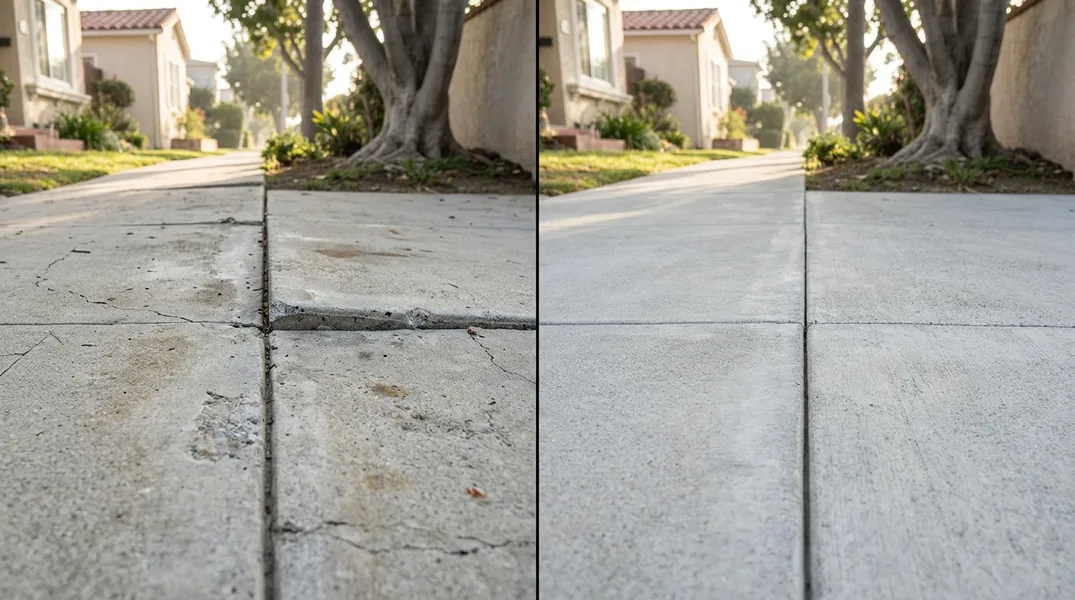
The Perfect Storm: Long Beach Soil Conditions and Concrete
Long Beach sits on some of Southern California's most geologically complex terrain. The area's combination of coastal sand deposits, clay pockets, and marine influence creates an environment that concrete simply wasn't designed to handle without proper planning and installation. Understanding these ground conditions is the first step to protecting your investment in a new driveway, patio, or any concrete surface.
The soil beneath Long Beach is far from uniform. In some neighborhoods, you'll find loose, shifting sand that offers minimal support. In others, dense clay layers expand and contract with seasonal moisture changes. This variability means that two driveways installed just blocks apart may experience completely different failure patterns. A contractor unfamiliar with local soil science might install a standard foundation that works perfectly in inland areas but fails within a few years in Long Beach. That's why choosing a local concrete company that understands these nuances isn't just a convenience, it's essential.
Expansive Clay and Long Beach Soil Concrete Cracking
Expansive clay is one of the most destructive forces working against concrete in this region. When clay absorbs moisture, it swells. When it dries, it shrinks. This constant expansion and contraction creates enormous pressure on concrete surfaces, leading to the cracking patterns homeowners see year after year. Unlike random cracks from impact or settling, clay-induced damage follows predictable patterns: parallel cracks, heaving, and buckling that worsen over time.
The problem intensifies during Long Beach's rainy season. Winter moisture percolates through soil, activating dormant clay layers. As spring arrives and the ground dries out, the clay contracts, pulling away from the concrete foundation. This cycle repeats annually, and with each cycle, the damage compounds. A small hairline crack from year one becomes a half-inch gap by year three. By year five, you're facing Concrete Repair & Resurfacing work that could have been prevented with proper installation techniques and site preparation.
Professional concrete contractors in Long Beach address this by installing proper drainage systems, using reinforced concrete mixes, and in some cases, treating the soil before pouring. These preventative measures cost more upfront but save thousands in repair bills later. When you're ready to install new concrete, getting a free estimate from a company experienced with local soil conditions ensures your project won't become another cautionary tale.
Salt Air Concrete Corrosion: The Coastal Homeowner's Challenge
Living near the ocean has its rewards, but salt air poses a relentless threat to concrete structures. The salt-laden marine atmosphere accelerates the corrosion of steel reinforcement within concrete, a process that weakens the material from the inside out. Even concrete that appears perfectly intact on the surface may be deteriorating rapidly due to salt air concrete corrosion working at the molecular level.
The mechanism is straightforward but destructive. Salt particles from ocean spray settle on concrete surfaces and penetrate through tiny pores. Once inside, these salts attack the steel rebar or wire mesh that gives concrete its tensile strength. The corroded steel expands, creating internal pressure that causes spalling, scaling, and eventual structural failure. This process accelerates in the presence of moisture and temperature fluctuations, both common in Long Beach's coastal climate. A Concrete Driveways installation that would last 30 years inland might show serious deterioration within 15 years in a coastal zone.
Protecting against salt air requires using high-quality concrete mixes with lower permeability, applying protective sealants, and ensuring proper drainage so water doesn't pool and concentrate salt deposits. Some contractors also recommend using epoxy-coated rebar in coastal installations, though this adds to project costs. The investment pays dividends when your driveway or patio remains sound while neighbors' concrete surfaces crumble around them.
Concrete Repair Long Beach CA: When Damage Has Already Started
If you're noticing cracks, heaving, or spalling on existing concrete surfaces, you're not alone. Many Long Beach homeowners face these issues because previous installations didn't account for local soil and environmental conditions. The good news is that Concrete Repair & Resurfacing options exist, ranging from simple crack filling to complete replacement.
The first step is accurate diagnosis. A surface crack might indicate minor settling or simply cosmetic damage. But a crack pattern combined with heaving or spalling suggests deeper problems with soil movement or salt air corrosion. Professional concrete contractors can assess whether your damage is cosmetic, structural, or somewhere in between. They can also identify whether the underlying cause is still active, which determines whether a repair will last or simply delay the inevitable.
For minor damage, epoxy injection and sealant application can extend the life of concrete significantly. For more serious issues, partial replacement of the affected section or complete removal and reinstallation may be necessary. The pricing varies dramatically based on the scope of work, which is why getting a professional assessment is crucial before committing to any repair strategy. Call Long Beach Concrete at (562) 568-7845 to schedule an inspection and receive honest guidance about your best options.
Choosing the Right Materials and Methods for Long Beach Concrete
Not all concrete is created equal, and standard mixes used in inland regions simply won't perform optimally in Long Beach's unique environment. Concrete designed for coastal applications includes air entrainment, which creates tiny air pockets that allow water to expand without causing damage. It also typically specifies lower water-to-cement ratios, reducing permeability and slowing salt penetration. These modifications cost more but are essential insurance for coastal homeowners.
The installation method matters equally. Proper site preparation, including soil testing and remediation when necessary, sets the stage for long-term success. Adequate reinforcement, appropriate slope for drainage, and careful finishing techniques all contribute to concrete that resists the unique challenges of Long Beach's climate. Some projects, particularly Stamped & Decorative Concrete installations, require additional protective measures like high-quality sealants that shield the surface from salt air while maintaining the aesthetic appeal.
When you work with a contractor experienced in Long Beach conditions, you're not paying extra for guesswork. You're paying for knowledge that comes from years of watching concrete perform in this specific environment. That expertise translates directly into a finished product that looks beautiful and lasts decades rather than years.
Taking Action: Protecting Your Investment Today
Whether you're planning a new Concrete Patios project or addressing damage to existing surfaces, the time to act is now. Delaying repairs allows damage to spread, and postponing proper installation techniques means accepting a shortened lifespan for your concrete investment.
Long Beach Concrete understands the local soil, climate, and environmental factors that affect concrete performance in this region. We've installed hundreds of driveways, patios, and other concrete surfaces that have withstood the coastal challenges that defeat less experienced contractors. If you're ready to invest in concrete that will last, contact us today at (562) 568-7845 or request a free estimate online. We'll assess your specific situation, explain the challenges unique to your location, and recommend solutions that protect your investment for years to come.
Looking for a professional concrete contractor in Long Beach? Long Beach Concrete responds fast for all your concrete needs.
Get a Free QuoteOur services: Concrete Driveways · Concrete Patios · Stamped & Decorative Concrete