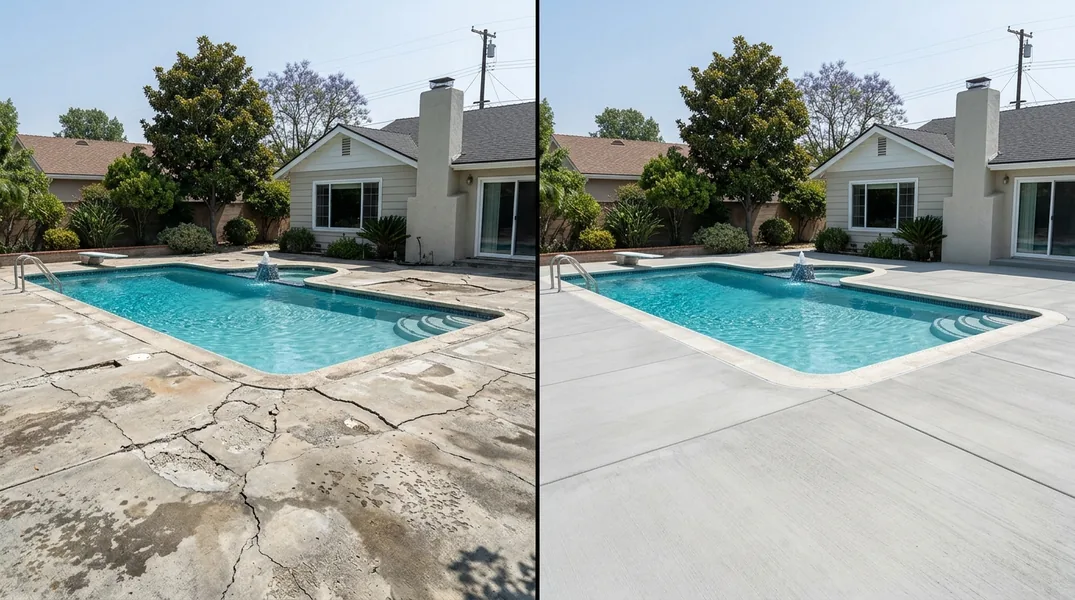
Understanding Your Long Beach Driveway Options
When it comes to upgrading your outdoor space in Long Beach, the decision between concrete and pavers is one of the most important choices you'll make. Both materials have become popular choices for driveways and patios throughout Southern California, but they offer distinctly different benefits and drawbacks. Understanding these differences will help you make an informed decision that aligns with your budget, lifestyle, and aesthetic preferences.
The climate in Long Beach plays a significant role in how these materials perform. With mild winters and warm, sunny summers, both concrete and pavers can thrive in our coastal environment. However, the salt air and occasional moisture patterns unique to our area can affect each material differently. This makes it essential to understand not just the initial installation, but how each option will hold up over time in our specific climate.
Concrete Driveways: Durability and Value
Concrete Driveways have long been the go-to choice for homeowners seeking a reliable, cost-effective solution. A properly installed concrete driveway can last 30 to 40 years or more, making it an excellent long-term investment. Concrete is incredibly durable and can withstand heavy vehicle traffic, extreme temperature changes, and the occasional impact without significant damage. For families with multiple vehicles or those who park in their driveway regularly, concrete offers the strength and reliability you need.
One of the biggest advantages of concrete is its low maintenance requirements. Unlike pavers, which may need regular resealing and joint maintenance, concrete simply needs occasional cleaning and sealing every few years to maintain its appearance and protect against the elements. The smooth, uniform surface makes it easy to sweep, hose down, or pressure wash. If you're looking for a practical solution that won't demand constant attention, concrete is hard to beat. Additionally, Stamped & Decorative Concrete options allow you to achieve sophisticated, custom looks without sacrificing the durability that makes concrete so appealing.
Pavers: Aesthetic Appeal and Flexibility
Pavers offer homeowners a level of aesthetic flexibility that standard concrete simply cannot match. Available in countless colors, patterns, shapes, and textures, pavers allow you to create truly custom designs that reflect your personal style. Whether you prefer the rustic charm of tumbled stone, the clean lines of modern geometric patterns, or the warmth of earth tones, paver installation in California has become increasingly sophisticated. Many homeowners choose pavers specifically for their ability to enhance curb appeal and create a high-end appearance that can increase property value.
Another significant advantage of pavers is their modularity. If individual pavers become damaged, you can replace just those specific units without affecting the entire surface. This level of repairability is particularly appealing to homeowners who want flexibility in their long-term maintenance strategy. Additionally, if you ever decide to redesign your driveway or patio layout, pavers can be lifted and repositioned, offering a level of adaptability that poured concrete cannot provide. However, this flexibility comes with a trade-off in terms of ongoing maintenance, which we'll explore in more detail below.
Maintenance Comparison: What You'll Actually Do
Maintenance is where the concrete versus pavers debate becomes very practical. Concrete requires sealing every two to three years to maintain its integrity and appearance. You'll need to watch for cracks and address them promptly to prevent water infiltration, which can lead to more serious damage over time. However, the day-to-day maintenance is minimal. A quick sweep and occasional pressure washing keep a concrete driveway looking fresh. If significant damage occurs, Concrete Repair & Resurfacing services can restore your surface without a complete replacement.
Pavers demand more hands-on maintenance. The joints between pavers can accumulate dirt, weeds, and debris, requiring regular cleaning and occasional weeding. Many homeowners choose to apply polymeric sand to the joints, which helps prevent weed growth but may need reapplication every few years. Pavers also benefit from periodic sealing to maintain their color and protect against staining. If you enjoy spending time maintaining your outdoor spaces and view it as part of your home care routine, pavers might appeal to you. But if you prefer a set-it-and-forget-it approach, concrete is the more practical choice.
Concrete Patio Comparison: Cost and Long-Term Value
When evaluating Concrete Patios versus pavers, cost is always a major consideration. Concrete typically costs less upfront, both in materials and installation. A standard concrete patio or driveway generally requires less labor to install than a comparable paver project, which means faster completion and lower immediate expenses. This makes concrete an excellent choice for budget-conscious homeowners or those working with limited funds who still want a quality outdoor surface.
Pavers usually cost 50 to 100 percent more than concrete for the same square footage. The higher material cost, combined with more labor-intensive installation, means your initial investment will be significantly larger. However, some homeowners view this as a worthwhile investment in aesthetic appeal and property value. Over a 30 to 40-year lifespan, the lower maintenance costs of concrete can actually make it the more economical choice overall, even though pavers may offer better resale appeal to certain buyers. To understand the specific pricing for your project, it's best to get a professional assessment from local experts who understand Long Beach's market and conditions.
Climate Considerations for Long Beach Homes
Long Beach's coastal climate presents unique challenges for both concrete and pavers. The salt air can accelerate corrosion and staining if not properly sealed and maintained. Concrete is generally more resistant to salt air damage, but it still benefits from regular sealing to protect against the effects of our marine environment. Pavers, particularly those made from porous materials, can absorb salt and moisture, potentially leading to efflorescence (a white, chalky residue) or discoloration over time. This doesn't mean pavers won't work in Long Beach, but it does mean you'll need to be more diligent about maintenance and sealing.
Temperature fluctuations, while mild compared to other parts of the country, can still affect both materials. Concrete can develop hairline cracks in response to freeze-thaw cycles, though this is less of a concern in our area than in colder climates. Pavers remain relatively stable in our climate, though the base material and compaction are critical to preventing shifting or settling. If you're uncertain about which option will perform best for your specific location and property conditions, reaching out for a free estimate from Long Beach Concrete can provide valuable insights tailored to your home's unique situation.
Making Your Final Decision
Choosing between concrete and pavers ultimately depends on your priorities. If you value durability, low maintenance, and affordability, concrete is the clear winner. If you prioritize aesthetic customization, don't mind regular upkeep, and want the flexibility to repair or redesign individual sections, pavers may be worth the extra investment. There's no universally 'best' choice, only the best choice for your specific needs, budget, and lifestyle.
The team at Long Beach Concrete understands the unique needs of homeowners throughout the area and can help guide you toward the right decision. Whether you're leaning toward concrete, considering pavers, or still weighing your options, we're here to answer your questions and provide expert recommendations. Contact us at (562) 568-7845 or visit our website to request a free estimate for your driveway or patio project. Let's create an outdoor space that looks great and serves your family for decades to come.
Looking for a professional concrete contractor in Long Beach? Long Beach Concrete responds fast for all your concrete needs.
Get a Free QuoteOur services: Concrete Driveways · Concrete Patios · Stamped & Decorative Concrete